
Reading a consent form
The sections every consent form has, and the lines worth reading twice.
Read the guideWhat phase 1, 2, 3 and 4 mean, and what each asks of the people who take part.
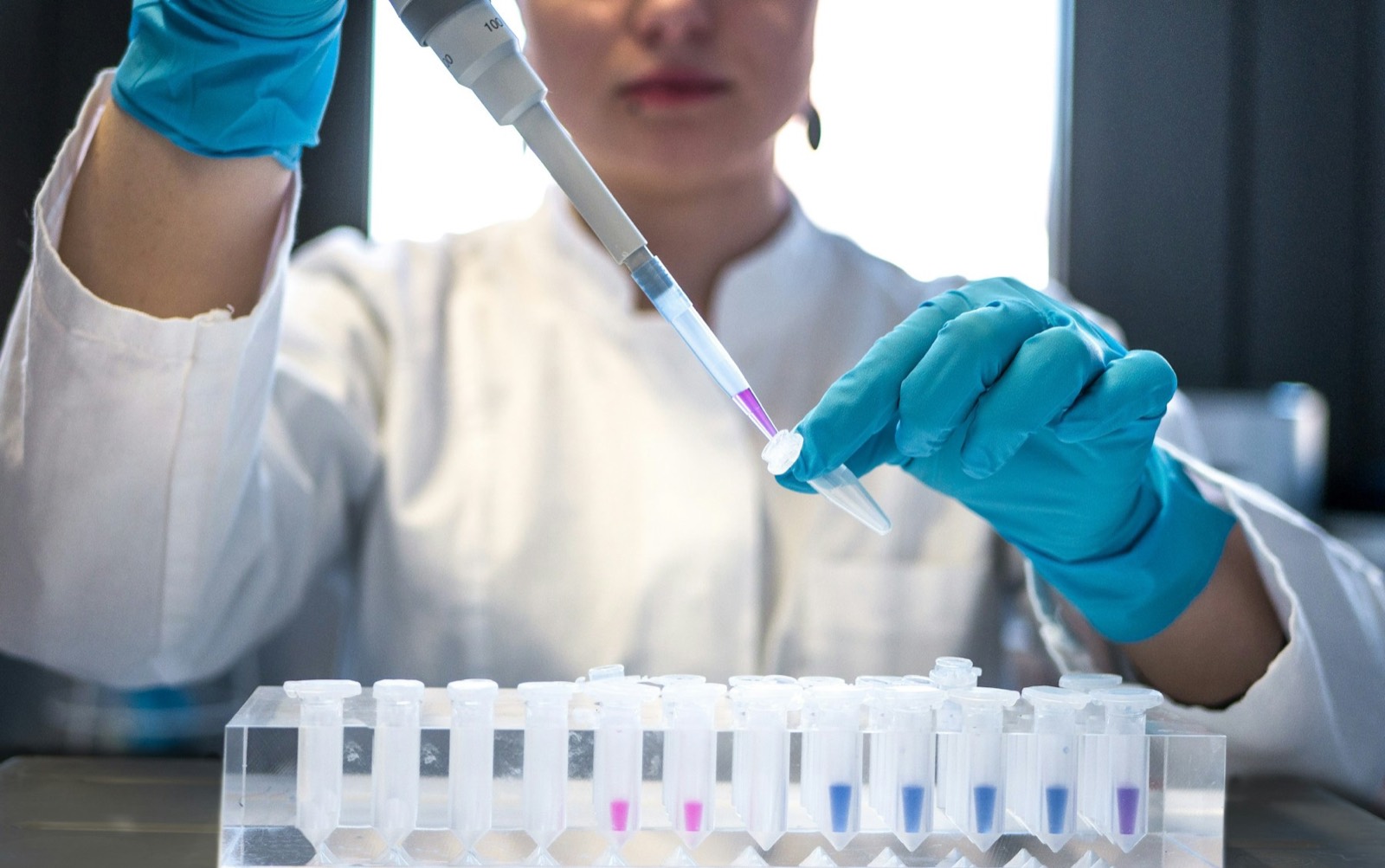
Almost every listing names a phase. It tells you how far along a treatment is, and it hints at what the study will ask of you.
A new medicine is never tested on a large group straight away. Each phase answers a narrower question with more people than the one before, and a treatment moves on only if the earlier results justify it. Many treatments stop along the way, which is the system working as intended.
A small group, often healthy volunteers, receives a new treatment for the first time in people. The main questions are whether it is safe, how the body handles it and what dose makes sense. Visits can be frequent, and some studies ask you to stay overnight.
A larger group who have the condition receives the treatment, usually at one or more doses and often against a placebo. The aim is to see whether it seems to work and to keep watching for side effects.
Hundreds or more people across many sites receive either the new treatment or the one doctors use now. This is the comparison regulators rely on before approving anything, so these studies are usually long and carefully run.
The treatment is already approved and on sale. These studies follow it in everyday use, to learn about rare side effects, long-term results or how it compares with other options.
Plenty of research has no phase at all. Studies of diets, exercise programs, devices, screening tests or apps are often labeled “not applicable” on the registry. They can still involve visits, tests and questionnaires, and the same rights apply to you in every one of them.
There is no right answer. Early phases carry more unknowns, and later phases ask more of your time over months. What matters is that you understand what is being tested, what has already been learned about it, and what the study needs from you.
The sections every consent form has, and the lines worth reading twice.
Read the guide
Who pays for what, how much of your time a study takes, and help with getting there.
Read the guide
How a partner, friend or grown child can help, from the first call to the last visit.
Read the guide
Video visits, home nurses and kits in the mail: what a study without many trips looks like.
Read the guideSign up once with a ZIP code and one area of health. It costs nothing, and one text stops it.
Get match alerts